线性表
是最简单、最基本、最常用的数据结构。线性表是线性结构的抽象(Abstract),线性结构的特点是结构中的数据元素之间存在一对一的线性关系。这种一对一的关系指的是数据元素之间的位置关系,即:( 1)除第一个位置的数据元素外,其它数据元素位置的前面都只有一个数据元素;( 2)除最后一个位置的数据元素外,其它数据元素位置的后面都只有一个元素。也就是说,数据元素是一个接一个的排列。因此,可以把线性表想象为一种数据元素序列的数据结构。线性表就是位置有先后关系,一个接着一个排列的数据结构。
线性表的实现方式有下面几种 顺序表 单链表 双向链表 循环链表
在计算机内,保存线性表最简单、最自然的方式,就是把表中的元素一个接一个地放进顺序的存储单元,这就是线性表的顺序存储(Sequence Storage)。
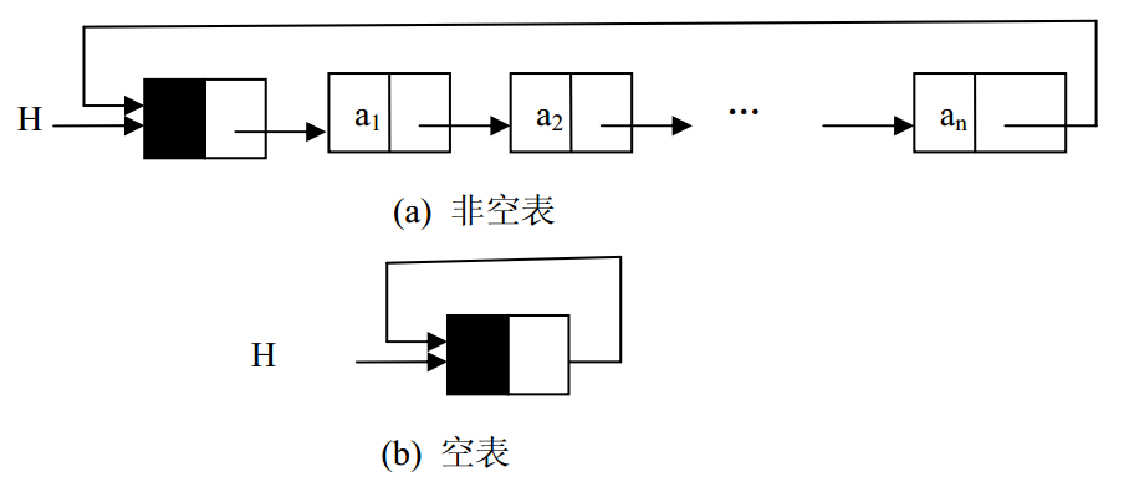
C#语言中的数组在内存中占用的存储空间就是一组连续的存储区域,因此,数组具有任意存取的特点。所以,数组天生具有表示顺序表的数据存储区域的特性。线性表的另外一种存储结构——链式存储(Linked Storage),这样的线性表叫链表(Linked List)。链表不要求逻辑上相邻的数据元素在物理存储位置上也相邻,因此,在对链表进行插入和删除时不需要移动数据元素,但同时也失去了顺序表可随机存储的优点。在存储数据元素时,除了存储数据元素本身的信息外,还要存储与它相邻的数据元素的存储地址信息。这两部分信息组成该数据元素的存储映像(Image),称为结点(Node)。把存储据元素本身信息的域叫结点的数据域(Data Domain),把存储与它相邻的数据元素的存储地址信息的域叫结点的引用域(Reference Domain)。因此,线性表通过每个结点的引用域形成了一根“链条”,这就是“链表”名称的由来。如果结点的引用域只存储该结点直接后继结点的存储地址,则该链表叫单链表(Singly Linked List)。把该引用域叫 next。有些应用不需要链表中有明显的头尾结点。在这种情况下,可能需要方便地从最后一个结点访问到第一个结点。此时,最后一个结点的引用域不是空引用,而是保存的第一个结点的地址(如果该链表带结点,则保存的是头结点的地址),也就是头引用的值。带头结点的循环链表(Circular Linked List)如图所示。

顺序表是用数组存储数据的
顺序表添加和得到功能
先写一个接口
 1
 2
 3
 4
 5
 6
 7
 8
 9
10
11
12
13
14
15
16
17
18
19
20
|
using System;
using System.Collections.Generic;
using System.Linq;
using System.Text;
using System.Threading.Tasks;

namespace _001_线性表 {
    interface IListDS<T>
{
int GetLength();
void Clear();
bool IsEmpty();
void Add(T item);
void Insert(T item, int index);
T Delete(int index);
T this[int index] { get; }
T GetEle(int index);
int Locate(T value);
}
}
|
写顺序表:
  1
  2
  3
  4
  5
  6
  7
  8
  9
 10
 11
 12
 13
 14
 15
 16
 17
 18
 19
 20
 21
 22
 23
 24
 25
 26
 27
 28
 29
 30
 31
 32
 33
 34
 35
 36
 37
 38
 39
 40
 41
 42
 43
 44
 45
 46
 47
 48
 49
 50
 51
 52
 53
 54
 55
 56
 57
 58
 59
 60
 61
 62
 63
 64
 65
 66
 67
 68
 69
 70
 71
 72
 73
 74
 75
 76
 77
 78
 79
 80
 81
 82
 83
 84
 85
 86
 87
 88
 89
 90
 91
 92
 93
 94
 95
 96
 97
 98
 99
100
101
102
103
104
105
106
107
108
109
110
|
using System;
using System.Collections.Generic;
using System.Linq;
using System.Text;
using System.Threading.Tasks;

namespace _001_线性表 {
    /// <summary>
    /// 顺序表实现方式
    /// </summary>
    /// <typeparam name="T"></typeparam>
    class SeqList<T>:IListDS<T>
    {
        private T[] data;//用来存储数据
        private int count = 0;//表示存了多少个数据

        public SeqList(int size)//size就是最大容量
        {
            data = new T[size];
            count = 0;
        }

        public SeqList():this(10)//默认构造函数 容量是10
        {

        }
        /// <summary>
        /// 取得数据的个数
        /// </summary>
        /// <returns></returns>
        public int GetLength()
        {
            return count;
        }

        public void Clear()
        {
            count = 0;
        }

        public bool IsEmpty()
        {
            return count == 0;
        }

        public void Add(T item)
        {
            if (count == data.Length) //当前数组已经存满
            {
                Console.WriteLine("当前顺序表已经存满,不允许再存入");
            }
            else
            {
                data[count] = item;
                count++;
            }
        }

        public void Insert(T item, int index)
        {
            for (int i = count-1; i >=index; i--)
            {
                data[i + 1] = data[i];
            }
            data[index] = item;
            count++;
        }

        public T Delete(int index)
        {
            T temp = data[index];
            for (int i = index+1; i < count; i++)
            {
                data[i - 1] = data[i];// 把数据向前移动
            }
            count--;
            return temp;
        }

        public T this[int index] //通过索引器|通过方法
        {
            get { return GetEle(index); }
        }

        public T GetEle(int index)
        {
            if (index >= 0 && index <= count - 1) //索引存在
            {
                return data[index];
            }
            else
            {
                Console.WriteLine("索引不存在");
                return default(T);
            }
        }

        public int Locate(T value)
        {
            for (int i = 0; i < count; i++)
            {
                if (data[i].Equals(value))
                {
                    return i;
                }
            }
            return -1;
        }
    }
}
|
这样写的顺序表只能用for循环,foreach需要用另外的接口去实现
实现的代码简单不做笔记
实现单链表的节点类
 1
 2
 3
 4
 5
 6
 7
 8
 9
10
11
12
13
14
15
16
17
18
19
20
21
22
23
24
25
26
27
28
29
30
31
32
33
34
35
36
37
38
39
40
41
42
43
44
45
46
47
48
49
50
51
52
|
using System;
using System.Collections.Generic;
using System.Linq;
using System.Text;
using System.Threading.Tasks;

namespace _001_线性表 {
    /// <summary>
    /// 单链表的结点
    /// </summary>
    /// <typeparam name="T"></typeparam>
    class Node<T>
    {
        private T data;//存储数据
        private Node<T> next;//指针 用来指向下一个元素

        public Node()
        {
            data = default(T);//获得对应属性的默认值
            next = null;
        }

        public Node(T value)
        {
            data = value;
            next = null;
        }

        public Node(T value, Node<T> next)
        {
            this.data = value;
            this.next = next;
        }

        public Node(Node<T> next)
        {
            this.next = next;
        }

        public T Data
        {
            get { return data; }
            set { data = value; }
        }

        public Node<T> Next
        {
            get { return next; }
            set { next = value; }
        }
    }
}
|
利用节点实现单链表
实现单链表的添加和插入操作
利用节点实现单链表
添加一个节点来储存头结点
构造函数 head置空
  1
  2
  3
  4
  5
  6
  7
  8
  9
 10
 11
 12
 13
 14
 15
 16
 17
 18
 19
 20
 21
 22
 23
 24
 25
 26
 27
 28
 29
 30
 31
 32
 33
 34
 35
 36
 37
 38
 39
 40
 41
 42
 43
 44
 45
 46
 47
 48
 49
 50
 51
 52
 53
 54
 55
 56
 57
 58
 59
 60
 61
 62
 63
 64
 65
 66
 67
 68
 69
 70
 71
 72
 73
 74
 75
 76
 77
 78
 79
 80
 81
 82
 83
 84
 85
 86
 87
 88
 89
 90
 91
 92
 93
 94
 95
 96
 97
 98
 99
100
101
102
103
104
105
106
107
108
109
110
111
112
113
114
115
116
117
118
119
120
121
122
123
124
125
126
127
128
129
130
131
132
133
134
135
136
137
138
139
140
141
142
143
144
145
146
147
148
149
150
151
152
153
154
155
156
157
158
159
160
161
162
163
164
165
166
167
168
169
170
171
172
173
|
using System;
using System.Collections.Generic;
using System.Linq;
using System.Runtime.InteropServices;
using System.Text;
using System.Threading.Tasks;

namespace _001_线性表 {
    class LinkList<T>:IListDS<T>
    {
        private Node<T> head;//存储一个头结点

        public LinkList()
        {
            head = null;
        }


        public int GetLength()
        {
            if (head == null) return 0;
            Node<T> temp = head;
            int count = 1;
            while (true)
            {
                if (temp.Next != null)
                {
                    count++;
                    temp = temp.Next;
                }
                else
                {
                    break;
                }
            }
            return count;
        }

        public void Clear()
        {
            head = null;
        }

        public bool IsEmpty()
        {
            return head == null;
        }

        public void Add(T item)
        {
            Node<T> newNode = new Node<T>(item);//根据新的数据创建一个新的节点
            //如果头结点为空,那么这个新的节点就是头节点
            if (head == null)
            {
                head = newNode;
            }
            else
            {//把新来的结点放到 链表的尾部
                //要访问到链表的尾结点
                Node<T> temp = head;
                while (true)
                {
                    if (temp.Next != null)
                    {
                        temp = temp.Next;
                    }
                    else
                    {
                        break;
                    }
                }
                temp.Next = newNode;//把新来的结点放到 链表的尾部
            }
        }

        public void Insert(T item, int index)
        {
            Node<T> newNode = new Node<T>(item);
            if (index == 0) //插入到头节点
            {
                newNode.Next = head;
                head = newNode;
            }
            else
            {
                Node<T> temp = head;
                for (int i = 1; i <=index-1; i++)
                {
                    //让temp向后移动一个位置
                    temp = temp.Next;
                }
                Node<T> preNode = temp;
                Node<T> currentNode = temp.Next;
                preNode.Next = newNode;
                newNode.Next = currentNode;
            }
        }

        public T Delete(int index)
        {
            T data = default(T);
            if (index == 0) //删除头结点
            {
                data = head.Data;
                head = head.Next;
            }
            else
            {
                Node<T> temp = head;
                for (int i = 1; i <= index - 1; i++) {
                    //让temp向后移动一个位置
                    temp = temp.Next;
                }
                Node<T> preNode = temp;
                Node<T> currentNode = temp.Next;
                data = currentNode.Data;
                Node<T> nextNode = temp.Next.Next;
                preNode.Next = nextNode;
            }
            return data;
        }

        public T this[int index]
        {
            get
            {
                Node<T> temp = head;
                for (int i = 1; i <= index; i++) {
                    //让temp向后移动一个位置
                    temp = temp.Next;
                }
                return temp.Data;
            }
        }

        public T GetEle(int index)
        {
            return this[index];
        }

        public int Locate(T value)
        {
            Node<T> temp = head;
            if (temp == null)
            {
                return -1;
            }
            else
            {
                int index = 0;
                while (true)
                {
                    if (temp.Data.Equals(value))
                    {
                        return index;
                    }
                    else
                    {
                        if (temp.Next != null)
                        {
                            temp = temp.Next;
                        }
                        else
                        {
                            break;
                        }
                    }
                }
                return -1;
            }
        }
    }
}
|
双向链表